The net sheet comes first.
In the order the decision imposes: what you will actually net, what price the comps support, what you are obliged to disclose, and what to do when it does not sell. The net sheet comes before the list price, not after.
What’s your home worth — the honest version.
Not an instant algorithm guess. A real broker’s read on what your home would actually sell for in today’s Boulder-area market.
Not ready to hand over your address yet?
An instant estimate is fast, free — and guessing. Here’s what it can’t see about a home like yours, and what a real home value report does instead.
- Beds & baths
- Square footage
- Last sale price
- Public tax records
- Neighborhood average
- The remodel — and how good it actually is
- The lot, the light, the street
- Condition, top to bottom
- Live comps that just sold nearby
- What buyers are paying right now
On a move-up home, price is the biggest lever you have.
The number you list at moves what you walk away with more than staging, more than the season, more than how the negotiation goes. Get it right and the market comes to you. Get it wrong and you spend the rest of the listing paying for it — usually in a way that’s hard to undo.
Overpricing and underpricing don’t cost the same.
Price too low and you leave money on the table — painful, but bounded. Price too high and something worse happens: the listing goes stale, buyers start reading the days-on-market as “what’s wrong with it,” and you end up chasing the price down — often landing below where an honest price would have started. Five percent of a home’s price is a lot of money to give back.
The two mistakes aren’t symmetric, and once the listing is live you don’t get to take the first number back. That’s the whole argument for getting it right before you go on market — not after.
An algorithm can’t see the things that make your home worth more.
Automated estimates work backward from public records and pull toward the neighborhood average. They can’t see the remodel, the lot, the light, the street, or the condition of the house next door that actually sold. On a starter home that averages out fine. On a $1M+ move-up home, the specific things that make it worth more are exactly the things the model is blind to — so the number comes out confidently wrong.
That’s why there’s no auto-generated “your home is worth $X” on this page. If I ever send you an automated range, it’ll be labeled for what it is — a rough starting point I’m about to correct by hand, not your home’s value.
A real home value report, put together by a person.
Not a dashboard, not a lead magnet. A home value report I build from the recent sales near you — and walk you through. Here’s what’s in it:
You’re not signing anything to get a number.
No obligation, no auto-dialer, no drip campaign you can’t leave. I’ll give you the honest read — and if now isn’t your moment, I’ll tell you that too. I’d rather be the broker you call in a year than the one who talked you into the wrong one.
For most move-up sellers, “what’s it worth” is really “what’s my sequence.”
You’re probably buying, too. So the value question is tangled up with timing — when to list, when to buy, and how not to end up owning two homes or none. The home value report is where that plan starts: an honest number first, then the sequence that gets you from this house to the next one.
Ready for the honest number?
Start with your address. I’ll pull the comps and send a real home value report — usually within a business day. No obligation, no auto-dialer.
Watch your price over time.
I’ll add you to the weekly letter — one thing worth knowing about the move-up market, with the numbers when they land. Five minutes a week. No spam, unsubscribe anytime.
Guides for your situation
Selling to move up?

Every seller guide
 Seller Guide
How to Compare Offers When Selling Your Home in Colorado
If your next purchase depends on selling this house, compare each offer with that purchase contract first. An offer fits if its Closing Date lands on or before your Conditional Sale Deadline; the gap from its last dated exit to that deadline is your margin if it fails there.
 Seller Guide
Pre-Listing Inspection in Colorado: What It Buys a Seller
Colorado's Seller's Property Disclosure puts no duty on you to inspect, but what you already know goes on it whether you inspect or not, and a report you commission joins that. A pre-listing inspection won't replace the buyer's or move their dates. It buys time to repair or price what it finds.
 Seller Guide
Selling a Home With an Unpermitted Basement in Colorado
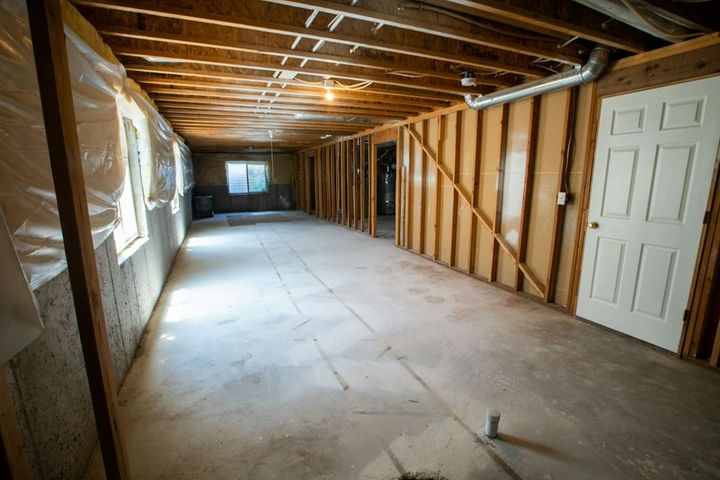
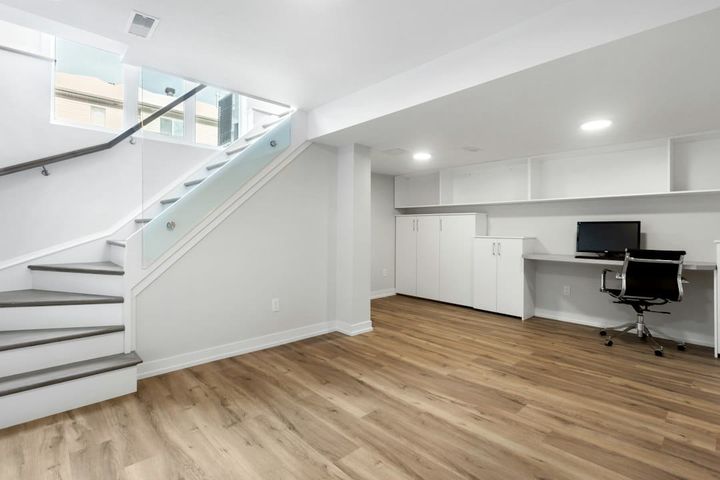
Colorado's disclosure form asks about permitted and unpermitted work on two different lines. For a finished basement the costly question is the permit: which building department reviews it, against which code, and what a permit does and doesn't change at appraisal.
 Seller Guide
Off-Market and Delayed Marketing: Selling in Boulder County
Three options sellers ask for as quiet, three answers to one question: who can see the house. IRES has a seller form for one, the office exclusive: filed with the MLS, not disseminated to other brokers. A delayed marketing listing stays in the MLS. Page 4 of the contract decides the rest.
 Seller Guide
Should You Sell in Fall or Wait for Spring in Boulder?
Spring pays a little more in Boulder, not the 16% you have read: the one study that compares like with like puts it in low single digits. And a move-up seller pays that lift again on the house they buy, so waiting widens the gap. Boulder's real seasonal effect is time, not price.
 Seller Guide
Selling a Home With Tenants in Colorado: Your Two Exits
A lease does not lower your price. It changes who is allowed to bid: the financed owner-occupant signs a covenant to occupy within 60 days. So you have two exits. Sell tenanted, into the market that buys income, or reach vacant, and Colorado's no-fault door opens only at the end of the term.
 Seller Guide
Selling a Home in a Metro District in Colorado
In a Colorado metro district, the number that kills your sale is your buyer's debt-to-income ratio, not your price. Since August 6, 2025, resale sellers in post-2000 districts owe a pre-contract disclosure. Use it as a filter, and spend concession dollars on a permanent buydown, not a price cut.
 Seller Guide
How to Price Your Home to Sell in Boulder
By Zillow's own accuracy table, half of Colorado's off-market estimates miss by more than 5.6 percent. On Boulder's year-to-date single-family median, that's a 73-thousand-dollar swing before you've hung a sign. Here's how a real list price actually gets built, and how to test it.
 Seller Guide
Relisting a Boulder Home: Your Contract, Not the Clock
Sellers relist to reset a clock. The IRES rulebook has no days-on-market provision to reset, and the buyers whose opinion sets your price, the ones working with an agent, can still pull the whole history. What a relist actually changes is your listing contract and your price.
 Seller Guide
Selling a Home You Have Owned for Decades in Colorado
On a long-held Colorado home the basis is rarely what anyone on the deed assumes. Colorado is not a community-property state, so on a first death only the decedent's interest takes the date-of-death value and a surviving co-owner's interest keeps its original cost. Title decides which is which.
 Seller Guide
Seller Concessions vs a Price Reduction in Colorado
A concession and a payment to the buyer's brokerage are two separate lines on the Colorado contract, and the form says each is in addition to the other. A price reduction is a third thing again, and the only one of the three that no lender can touch.
 Seller Guide
Seller Net Proceeds in Colorado: What You Actually Net
Your seller net proceeds in Colorado are your sale price minus your loan payoff, roughly 7-9% in selling costs, prorated taxes and HOA dues, any concessions, and possible capital-gains tax. The gap between price and check is often tens of thousands, so build an honest net sheet before you list.
 Seller Guide
Capital Gains on a Colorado Home Sale: Know Your Basis
A married couple who meets the tests can exclude up to $500,000 of gain on a home sale, and a single filer $250,000. Colorado taxes whatever is left as ordinary income, with no home-sale break of its own. On a long-held Boulder home, that ceiling is closer than most owners think.
A little more local perspective.
Local stories, neighborhood perspectives, and market insights to help you feel more at home in Boulder and the Front Range.