Latest, told straight.
 Answer Brief
Does the Ditch Share Come With the House?
Water rights run with the land, everybody says. A mutual ditch company share is personal property, and Colorado hands the transfer rules to each company's own bylaws, so two Front Range companies answer it in opposite ways. The standard contract reflects that with a blank and no default rule.
 POV Note
Who Else Has a Say in the House You Just Bought
The deed settles what you own and goes quiet on a second question: who else can change the rules you just bought under. In this corridor that answer sits with a covenant board, a public board, a city charter or a private business, and they are not interchangeable.
 Move-Up Guide
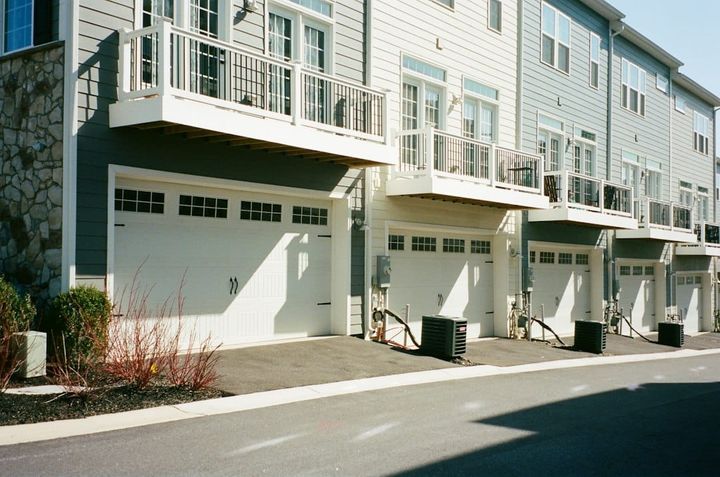
Selling a Boulder Townhome to Buy a House: What to Pull
When you sell a Boulder townhome to buy a house, your buyer's lender reviews the borrower and, if what you own is legally a condominium, the project too. That standard changed for loan applications dated on or after 3 August 2026. What to pull before you list, and the three moves open to you.
 Answer Brief
Colorado Tax Certificate: The Metro District Deadline
A tax certificate lands in your inbox listing three districts you have never heard of, and it reads like paperwork from the county. It is a title document with a termination right attached, dated to a deadline named after something else. Which clock you are on depends on the day it arrived.
 Answer Brief
Why Are the Property Taxes on This New Build So High?
That surprisingly high tax bill on a new build usually isn't the HOA. It's a metro district, a government tax on top of your regular property taxes that repays the developer's bonds. Here's how to tell the two apart before you buy.
 Seller Guide
Should You Sell in Fall or Wait for Spring in Boulder?
Spring pays a little more in Boulder, not the 16% you have read: the one study that compares like with like puts it in low single digits. And a move-up seller pays that lift again on the house they buy, so waiting widens the gap. Boulder's real seasonal effect is time, not price.
 Buyer Guide
Lender Requires Repairs? The Colorado Closing Clock
The inspection is behind you, the appraisal cleared, and the lender won't fund until the furnace is replaced. If the seller never agreed to that work, the demand has its own section and a clock of three days at most: the contract ends by itself. Three things stop it; the easy one is the trap.
 Seller Guide
Selling a Home With Tenants in Colorado: Your Two Exits
A lease does not lower your price. It changes who is allowed to bid: the financed owner-occupant signs a covenant to occupy within 60 days. So you have two exits. Sell tenanted, into the market that buys income, or reach vacant, and Colorado's no-fault door opens only at the end of the term.
 POV Note
In Colorado, the Price Is the Number You Only Pay Once
Broker compensation is negotiated, not set by law, and ours is normally a percentage of the purchase price. So the number we're paid to move is the one that matters least over the years you own the house. Here's the arithmetic.