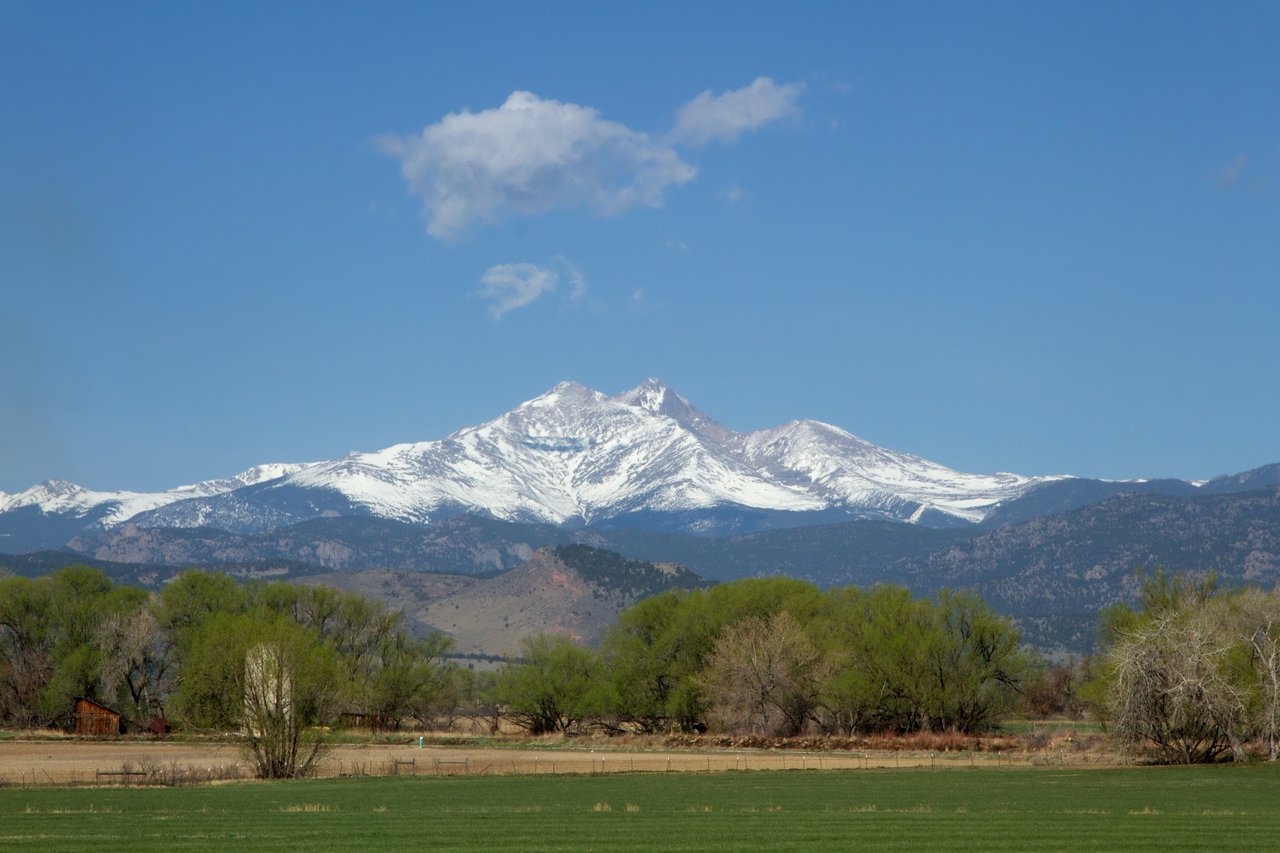
Wondering if you have to choose between a more relaxed pace and easy access to everything Colorado offers? In Longmont, you may not have to. If you are looking for a place with a distinct local identity, everyday outdoor access, and strong connections to Boulder, Denver, and Northern Colorado, Longmont deserves a closer look. Let’s dive in.
Why Longmont Feels Different
Longmont has a 2024 population estimate of 99,818, which gives it a substantial small-city feel rather than a big-metro pace. That matters if you want enough shops, services, and community activity to stay convenient without feeling swallowed by a much larger urban center.
The city places itself on Colorado’s northern Front Range in Boulder County, about 16 miles from Boulder and 37 miles from Denver. That location helps explain why Longmont often appeals to people who want a home base with its own personality and easier day-to-day rhythm, while still staying connected to the larger Boulder-Denver corridor.
Longmont also describes itself as diverse, multicultural, and welcoming, with many ways for residents to connect and participate in community organizations. For you, that can translate into a city that feels active and lived-in, not just a bedroom community.
Longmont Has Its Own Economic Center
One reason Longmont stands apart is that it is not only a place people sleep before commuting elsewhere. The city says it is home to several high-tech companies and a vibrant restaurant scene, which supports a more complete local lifestyle.
The city also says Longmont has the highest number of people who both live and work in the city among Boulder County municipalities. That is a useful detail if you value the option to keep parts of your life more local, whether that means work, errands, dining, or meeting friends close to home.
At the same time, Longmont still functions as a regional commuter base. Official planning data shows only about 31% of work trips stay within the city, while the Boulder area and the greater Denver area each account for more than a quarter of Longmont residents’ workplace locations.
Downtown Longmont Brings the Character
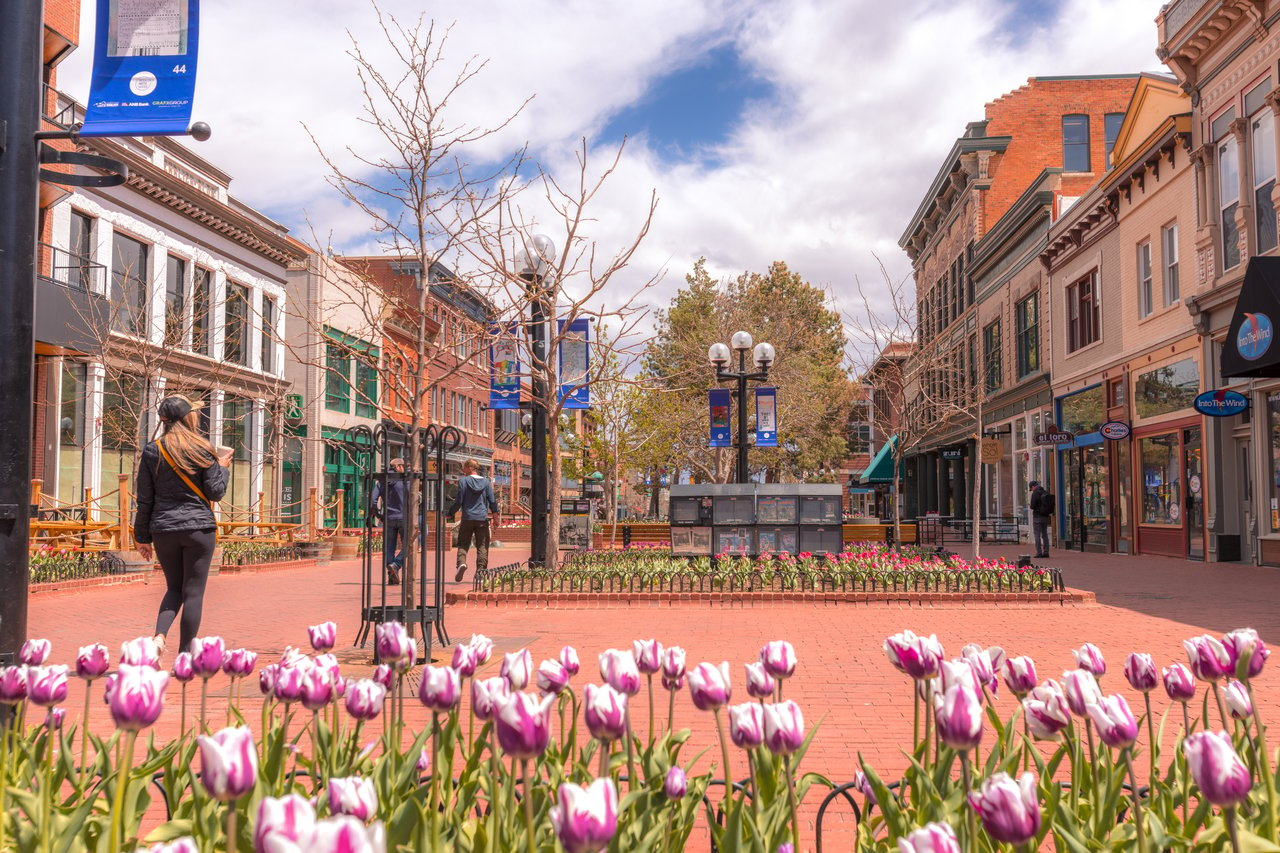
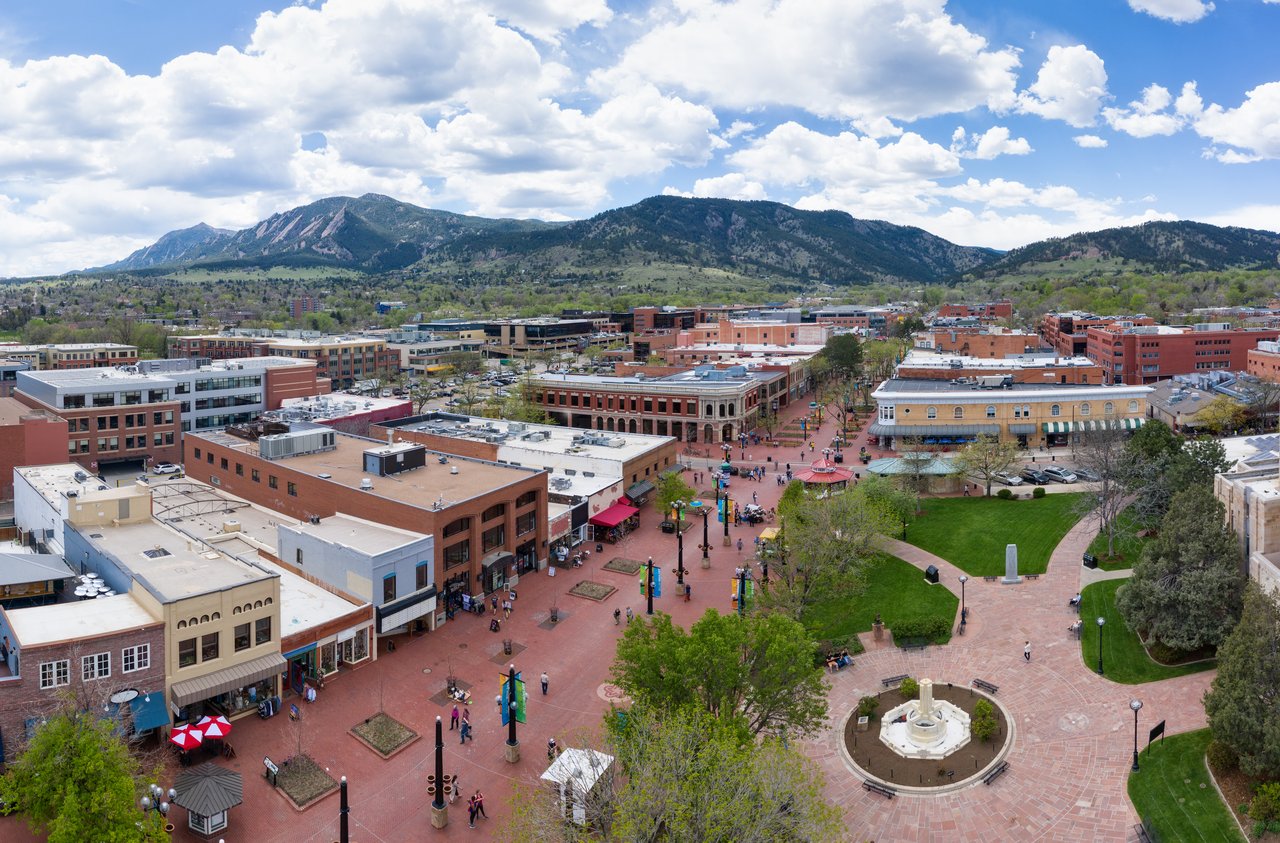
If you want the clearest example of Longmont’s small-city vibe, start downtown. Downtown Longmont blends modern living with historic charm, and that mix gives the area a more rooted, human-scale feel than many newer suburban centers.
The downtown housing mix includes historic homes, boarding-house style units, upper-end apartments, and affordable housing. Nearby Historic Eastside and Historic Westside districts add wide streets, large lots, mature trees, and older home styles like bungalows, cottages, and Victorian-style buildings.
Just as important, these areas sit close to Main Street shops and services. That proximity helps create the kind of everyday convenience many buyers and renters want when they picture a more walkable, connected routine.
The Creative District Adds Energy
Longmont’s downtown is not just visually charming. It also has a strong arts-and-dining identity that adds activity and variety to the area.
Downtown Longmont’s Creative District brings together art, culture, performance, craft food and beverage, and community. The district has been state-recognized since 2014 and was recertified in 2019, which gives some formal backing to what many people already experience on the ground.
Downtown’s explore materials describe an area where craft, culture, and community meet, with breweries, cideries, distilleries, restaurants, murals, and galleries. If you want a city that feels active without feeling oversized, that balance is a big part of Longmont’s appeal.
History Still Shows Up Here
Longmont’s identity is not limited to newer development or a refreshed downtown core. The city’s history remains visible in the built environment and in how local organizations preserve it.
The Longmont Museum offers historic walking tours of Downtown Longmont, Historic Eastside Longmont, and Historic 3rd Avenue. Its collection includes more than 17,000 objects and 10,000 photographs tied to Longmont and the St. Vrain Valley, which speaks to the depth of the city’s local story.
Outdoor Access Is Part of Daily Life
A lot of Colorado communities talk about outdoor living. In Longmont, the difference is that outdoor access is built into daily routines, not just weekend plans.
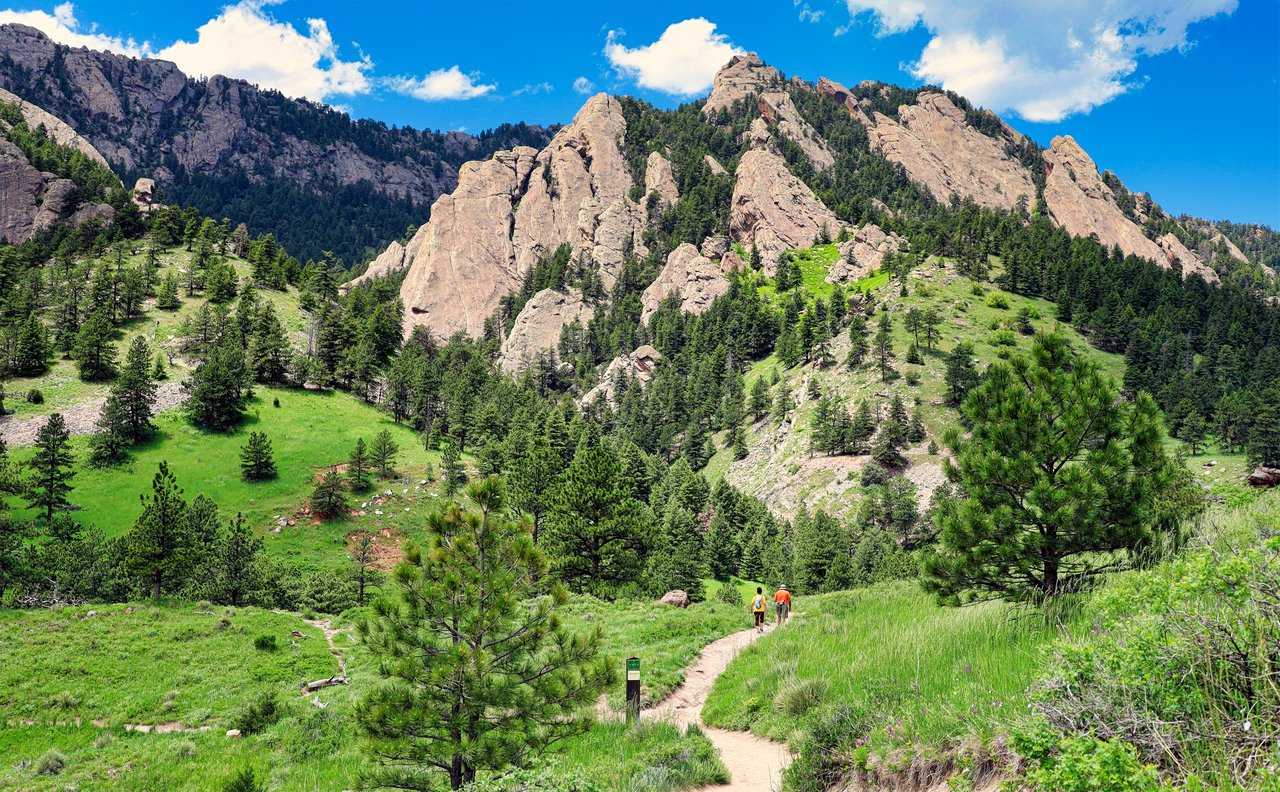
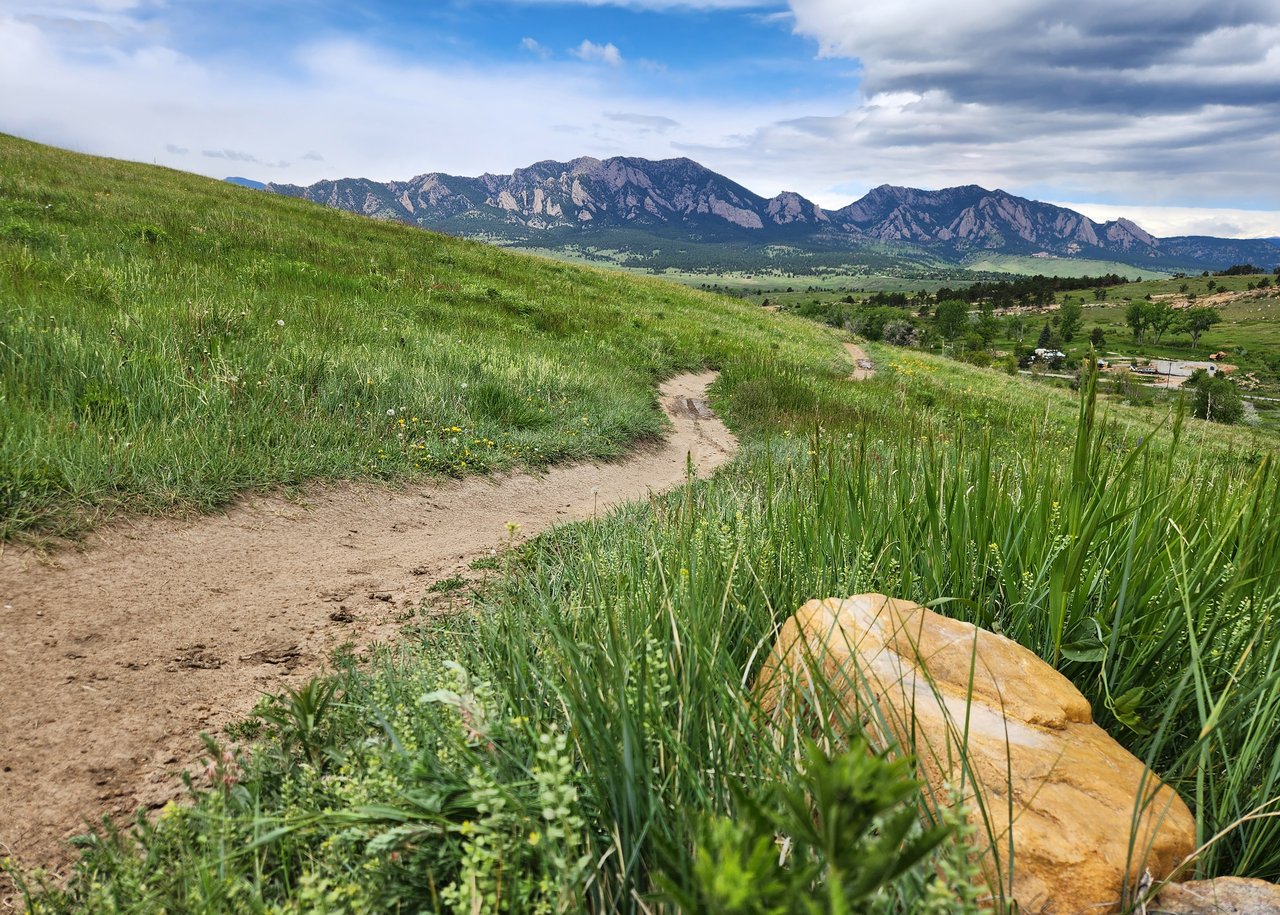
The city says it has more than 1,500 acres of parks and open space. That gives you many ways to get outside close to home, whether you want a quick walk, time at a neighborhood park, or a quieter nature-focused outing.
Longmont’s park system includes neighborhood parks, community parks, nature areas, and dog parks. The city’s open-space vision focuses on protecting natural resources, supporting community identity, and providing low-impact recreation, which helps explain why these spaces feel like part of the city’s structure rather than an afterthought.
The St. Vrain Greenway Connects the City
The St. Vrain Greenway is one of Longmont’s signature outdoor features. The city says the trail runs about 8 miles from Golden Ponds Nature Area to Sandstone Ranch Nature Area.
Along the way, it connects parks, schools, trails, and commercial areas. That kind of connection matters because it makes outdoor access practical for regular use, not only for special outings.
The Greenway is also part of the larger Front Range Trail plan, and the city is rebuilding the corridor through the multi-year Resilient St. Vrain project after the 2013 flood. That points to continued investment in the spaces many residents use most often.
Big Colorado Access Starts With Location
Longmont works well for people who want access to multiple parts of the region without giving up a distinct home base. Its location between Boulder, Denver, and Northern Colorado supports that flexibility.
The city says local Ride Free Longmont buses are free on local routes. RTD bus service connects to and from Longmont, SkyRide provides airport service from regional Park-n-Ride lots, and FLEX links Longmont with Fort Collins, Loveland, and Berthoud.
RTD transfers to Boulder and Denver are also available in Longmont. If you are thinking about commuting, regional travel, or simply keeping your options open, that transportation picture supports the idea that Longmont is connected without feeling overly dense.
Commute Patterns Reflect Regional Reach
Longmont’s transportation story is not just about maps and route lists. It also shows up in how people actually move around for work.
The city’s multimodal transportation plan shows that Longmont residents commonly work both inside and outside the city, with major workplace destinations in the Boulder area and the greater Denver area. Census QuickFacts puts the mean travel time to work at 24.5 minutes, which fits a city connected to several job centers rather than one dominant downtown.
For you, that can mean more flexibility. You may be able to live in a place with a more grounded, neighborhood-oriented feel while still keeping access to a wider range of employment hubs.
Longmont Housing Context Matters
For many buyers, Longmont becomes especially compelling when housing enters the conversation. Compared with Boulder, the numbers suggest Longmont may offer a more approachable path into Boulder County homeownership or renting.
Current Census estimates put Longmont’s median owner-occupied home value at $572,800 and median gross rent at $1,816. Boulder city’s comparable figures are $1,039,500 and $2,018, so Longmont sits materially below Boulder on these broad housing measures.
Longmont also has a higher owner-occupied rate than Boulder, at 62.5% versus 47.2%. That does not mean one city is automatically a better fit than the other, but it does help explain why buyers often compare the two when balancing budget, lifestyle, and access.
Who Longmont Often Fits Best
Longmont can make sense for several kinds of buyers and movers. The best fit often comes down to whether you want more breathing room in your day-to-day life without disconnecting from the broader region.
You may want to take a closer look at Longmont if you are looking for:
- A city with a clear identity, not just spillover from Boulder or Denver
- Historic downtown character with restaurants, arts, and local businesses
- Parks, trails, and open space that are easy to use during the week
- Access to Boulder, Denver, and Northern Colorado for work or recreation
- Broad housing context that compares differently from Boulder
If you are relocating, Longmont can also be appealing because it gives you multiple ways to live. Some people prioritize downtown energy and older housing character, while others focus on everyday convenience, commuting patterns, or access to parks and trails.
The Bottom Line on Living in Longmont
Longmont stands out because it offers both identity and access. You get a city with historic districts, a recognized creative core, over 1,500 acres of parks and open space, and a trail system that supports everyday outdoor life.
At the same time, you are still connected to Boulder, Denver, airport routes, and Northern Colorado regional links. If you want a place that feels more grounded and local, but still plugged into the opportunities and lifestyle of the Front Range, Longmont is worth serious consideration.
If you are thinking about buying or selling in Boulder County and want practical guidance rooted in clear market context, Daniel Hsieh can help you make a smart next move.
FAQs
What is it like living in Longmont, Colorado?
- Longmont offers a substantial small-city feel with a population estimate of 99,818, a historic downtown, a recognized creative district, and strong access to parks, trails, Boulder, Denver, and Northern Colorado.
How far is Longmont from Boulder and Denver?
- The city says Longmont is about 16 miles from Boulder and 37 miles from Denver, which helps support commuting and regional access.
Does Longmont have a walkable downtown area?
- Downtown Longmont includes Main Street shops and services, historic neighborhoods nearby, and a mix of dining, arts, and cultural destinations that support a more connected daily routine.
What outdoor activities are available in Longmont?
- Longmont has more than 1,500 acres of parks and open space, plus neighborhood parks, nature areas, dog parks, and the roughly 8-mile St. Vrain Greenway.
Is Longmont more affordable than Boulder?
- Based on current Census estimates, Longmont’s median owner-occupied home value and median gross rent are both lower than Boulder’s, which is one reason many buyers compare the two cities.
Is Longmont a good option for commuters?
- Longmont has free local bus routes, regional RTD connections, FLEX service to nearby Northern Colorado communities, airport access via SkyRide from regional Park-n-Ride lots, and commute patterns tied to both Boulder and the greater Denver area.