Looking for a city where a morning trail loop, a good coffee, and an easy downtown stroll can all fit into the same day? That rhythm is a big part of what draws people to Boulder. If you are thinking about moving here, visiting neighborhoods, or simply trying to picture daily life, it helps to understand how the city actually works from one day to the next. This guide walks you through the trails, cafes, community spaces, and everyday routines that shape life in Boulder. Let’s dive in.
Why Boulder Feels So Livable
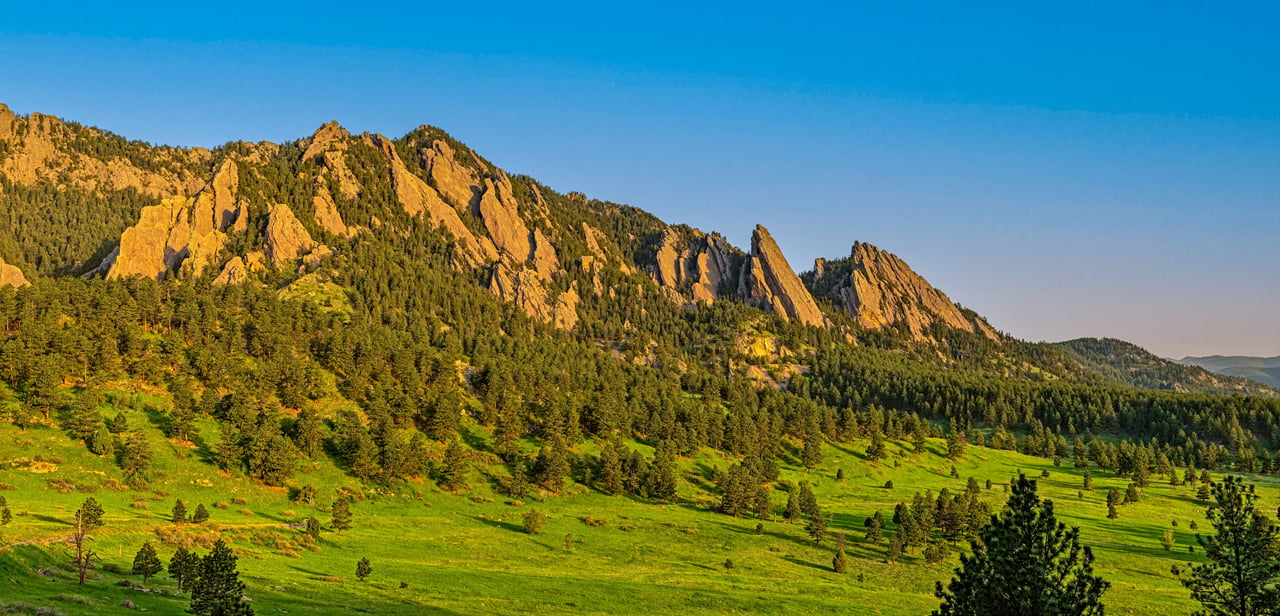
Boulder’s day-to-day appeal starts with how connected the city feels. According to the city, Boulder preserves 45,000 acres of open space and has more than 150 miles of trails, along with a bike network that exceeds 300 miles of bikeways. That means outdoor access is not separate from daily life here. It is part of how many people move through the city.
The city also reports that 74% of residents live in walkable 15-minute neighborhoods, 85% have access to comfortable bikeways, and 82% have convenient access to local or regional transit routes. For you, that can translate into a lifestyle where errands, coffee runs, trail outings, and time downtown often feel close at hand. Boulder is compact in a way that supports routine, not just recreation.
Trails Shape the Daily Routine
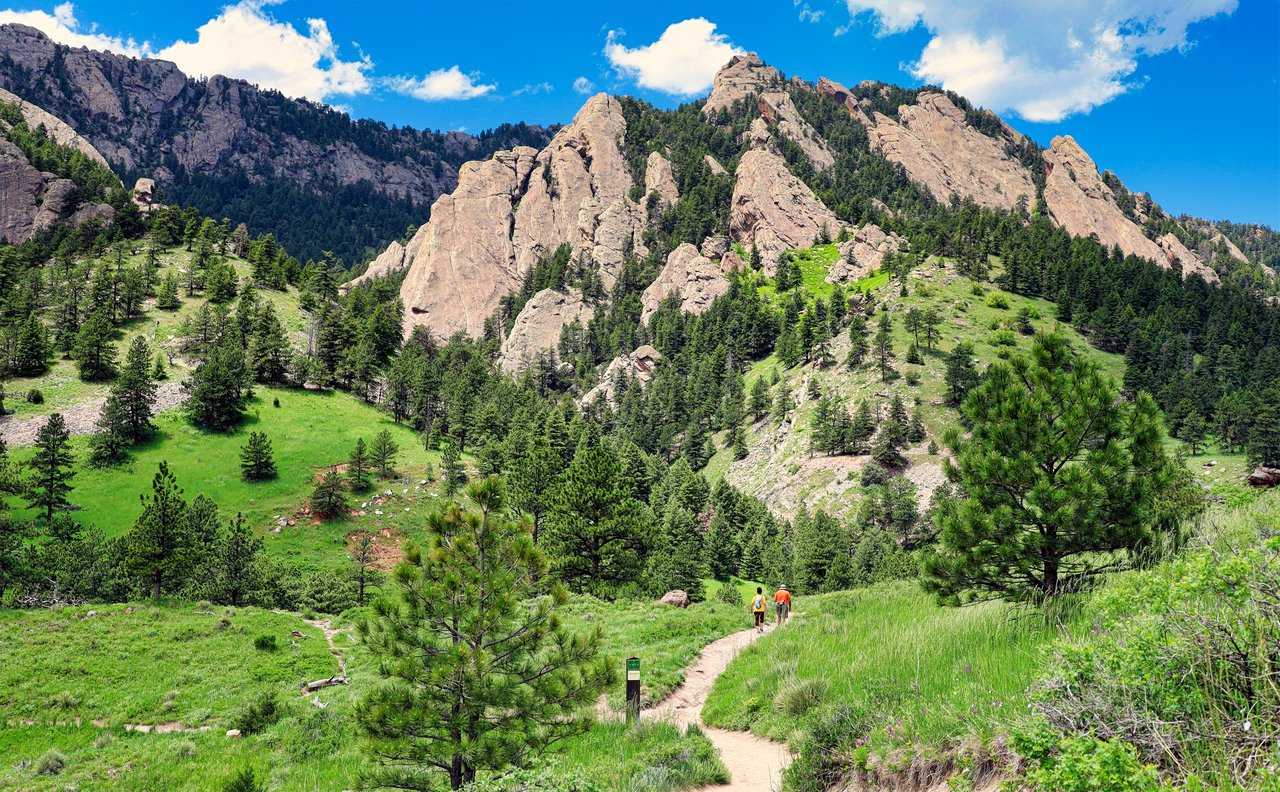
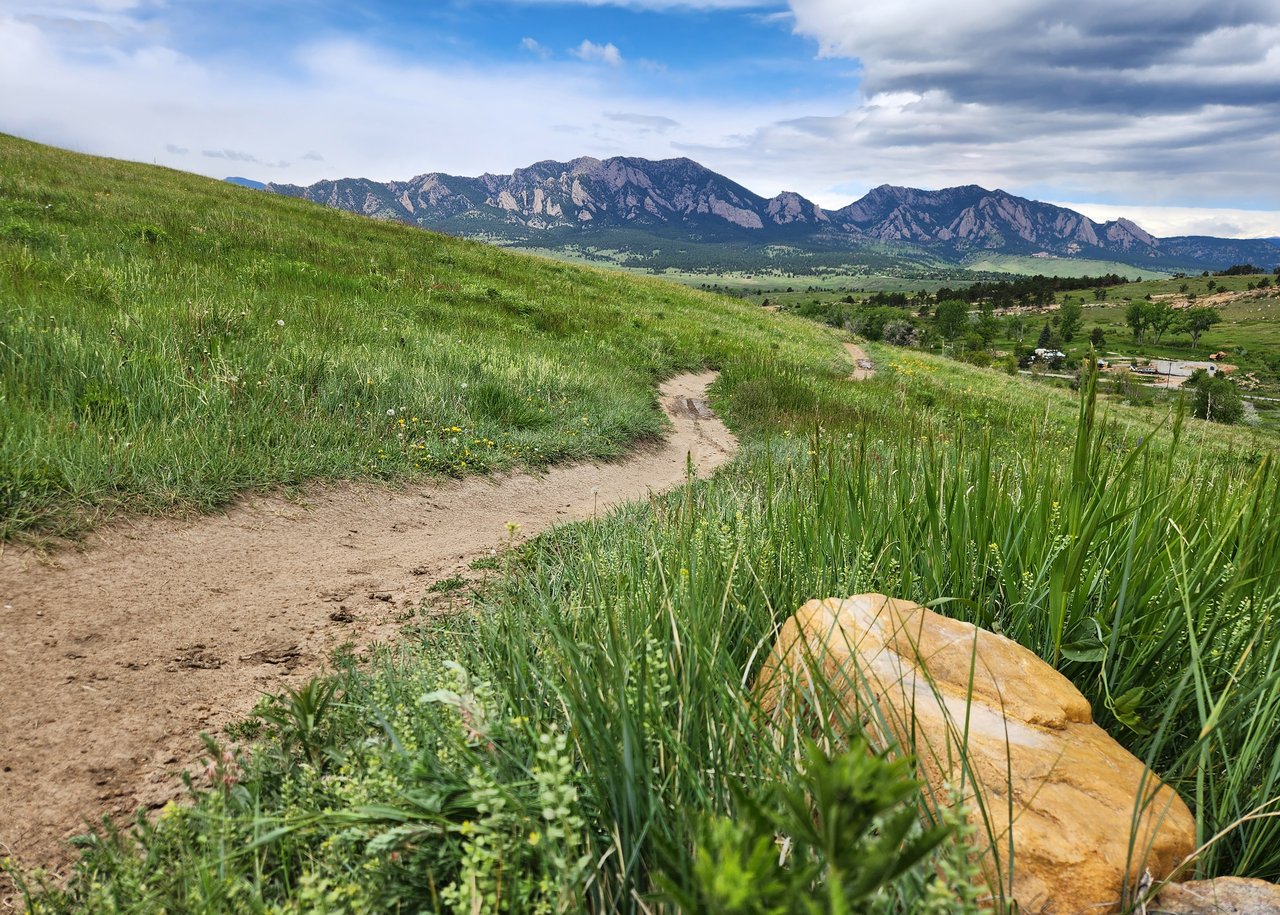
In many places, trail access feels like a weekend perk. In Boulder, it is woven into everyday life. Open Space and Mountain Parks manages more than 45,000 acres and about 155 miles of maintained trails, giving you plenty of options for a quick outing before work, an afternoon walk, or a more challenging climb.
Boulder Creek Path for Everyday Access
One of the clearest examples is the Boulder Creek Path. The city describes it as a 5.5-mile route that runs through downtown and passes places like the Main Library, Civic Area Park, and the Boulder Dushanbe Teahouse. That location makes it one of Boulder’s most visible daily-use recreation corridors.
For you, this means outdoor time does not have to require a full plan or a long drive. The path connects movement, scenery, and downtown access in a way that fits normal routines. It is easy to imagine a walk, bike ride, or short stop along the creek becoming part of your regular week.
Mount Sanitas and Chautauqua Traditions
If you want something more challenging, Mount Sanitas reflects Boulder’s strong trail culture. The city calls it a hard 1.3-mile hike with 1,323 feet of elevation gain, and it is known for high foot traffic. It is the kind of trail that shows how common active outdoor habits are in Boulder.
Chautauqua Park offers a different kind of trail access. It is a historic gateway to OSMP trails and gives families and visitors a practical starting point for getting outside. The city also notes that parking at Chautauqua is limited, with paid parking on summer weekends and holidays, which is a useful reminder that some of Boulder’s most popular outdoor spots require a little planning.
Biking Is Part of the Culture
Boulder’s bike network is not just extensive on paper. It plays a real role in how people get around. The city says Boulder has more than 300 miles of bikeway, including 96 miles of bike lanes, more than 80 bike and pedestrian underpasses, 84 miles of multi-use paths, and 50 miles of designated bike routes.
That kind of infrastructure supports daily trips as much as fitness. Official trailheads also include bike racks, and Class 1 and Class 2 e-bikes are allowed on certain OSMP trails. If you like the idea of using a bike for recreation, errands, or commuting, Boulder gives you a strong framework for doing that.
The city’s 2023 travel data helps explain why the system feels so visible. Across all trips, 21.6% were made on foot, 17.7% by bicycle, and 4.0% by transit. Among Boulder residents who work in Boulder, commute trips were 35.0% by bicycle and 15.6% on foot. Those numbers show that non-car travel is not fringe behavior here. It is part of the everyday mix.
Pearl Street Sets the Downtown Tone
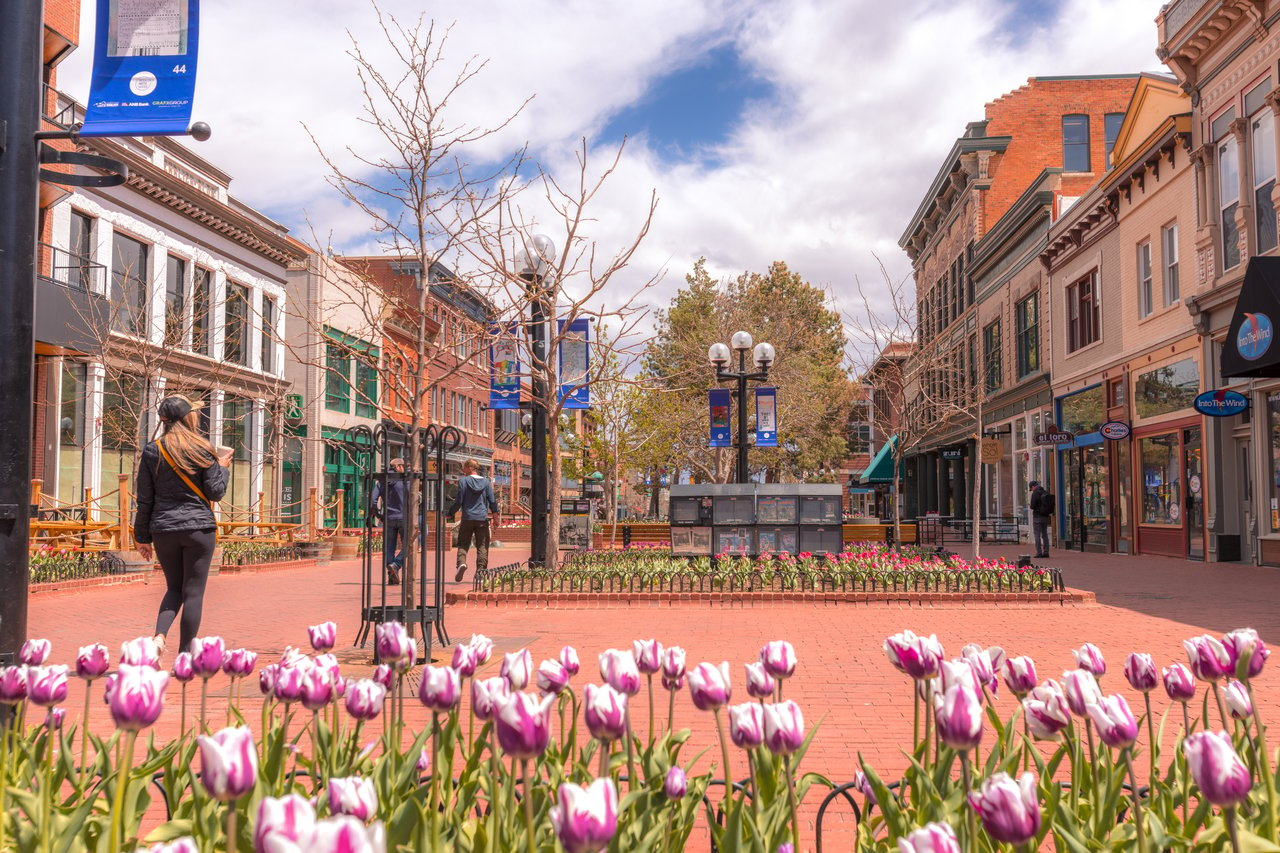
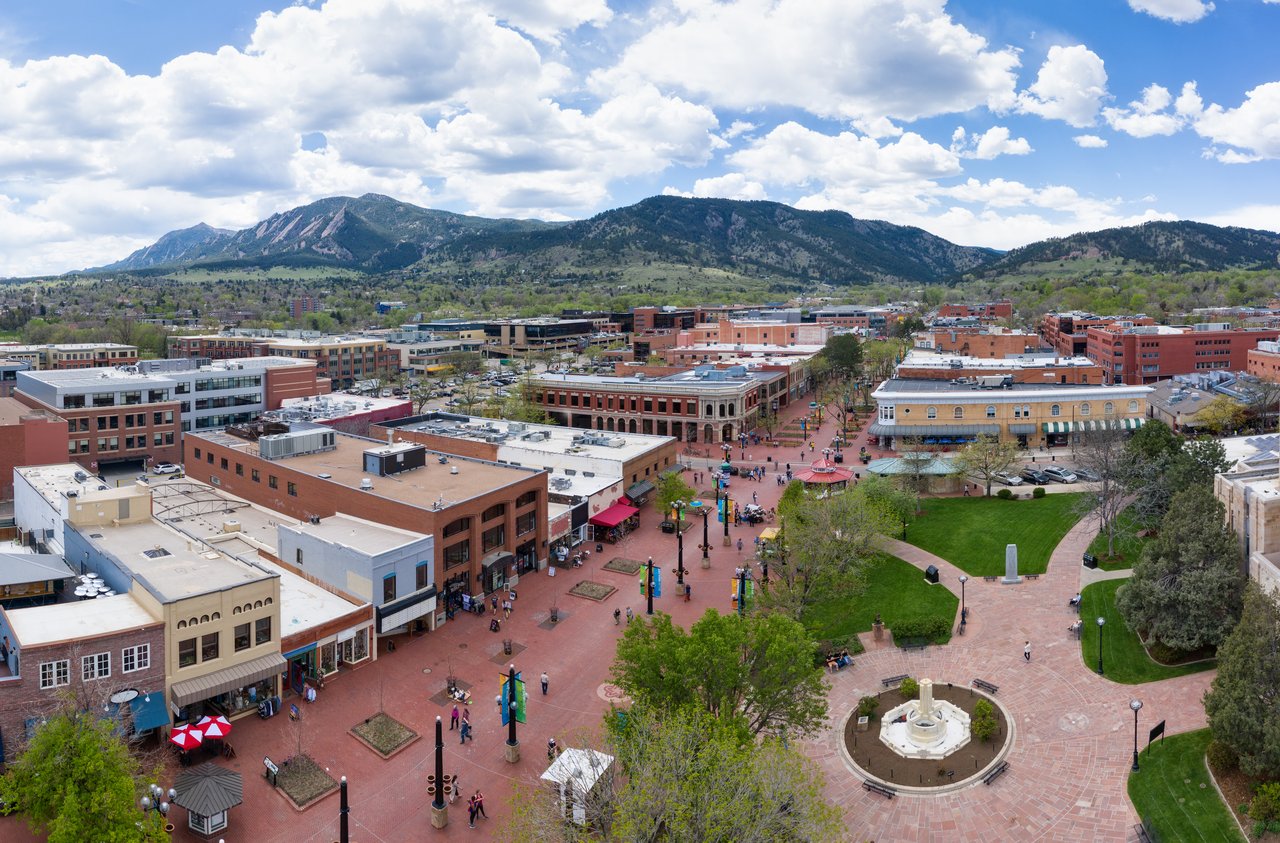
If the trails show Boulder’s outdoor side, Pearl Street Mall shows its social side. The city says the mall has been car-free since 1977, and it remains the pedestrian heart of downtown. The district spans four blocks and includes more than 200 stores, along with restaurants and coffee spots that keep the area active throughout the day.
For you, Pearl Street can serve different purposes depending on the hour. It can be a place to grab coffee, meet a friend, browse shops, walk after dinner, or catch live entertainment. Because it is pedestrian-oriented, it feels designed for lingering rather than rushing through.
Boulder’s Coffee Scene
Coffee culture is a visible part of everyday life around Pearl Street and nearby blocks. The mall directory includes Alpine Modern Coffee Bar, Amante Coffee, Boulder Dushanbe Teahouse, Boxcar Coffee Roasters, Laughing Goat Coffeehouse, Ozo Coffee Co., and Trident Booksellers and Cafe, among others.
That variety gives downtown a steady, lived-in feel. Whether you want a quick cup, a longer work session, or a casual meetup spot, the downtown core offers several options within a compact area. For many people, that convenience becomes part of why Boulder feels easy to settle into.
Restaurants and Local Food
Dining is also concentrated downtown, with options that range across different styles and settings. The downtown directory includes Frasca Food & Wine, Japango, Mountain Sun Pub & Brewery, T/ACO, SALT the Bistro, and The Kitchen, along with many other restaurants across Pearl Street and nearby blocks.
The Boulder County Farmers Market adds another layer to downtown life. Downtown Boulder says it has operated since 1987 and is a growers-only market, running Saturdays from April through November and Wednesday evenings from May through October. It also regularly includes live music and seasonal vendors, making it both a shopping stop and a community gathering point.
Community Shows Up in Public Life
Boulder’s sense of community is not limited to trails or cafes. It also shows up in public events, arts programming, and the way downtown functions as a shared gathering space. That matters if you are trying to picture what it feels like to live here beyond the basics of housing and commuting.
In 2026, Boulder Arts Week included more than 115 events citywide, including mural tours, theater performances, dance workshops, poetry readings, and a student banner project along Pearl Street Mall. Events like that reflect a city calendar with regular opportunities to be out and engaged. You do not have to search too hard to find something happening.
Pearl Street Arts Fest is another example. Downtown Boulder describes it as a juried outdoor gallery in the heart of downtown, and the 2025 festival featured more than 100 artists extending beyond the mall onto nearby blocks. Summer programming also includes weekly live music such as Bands on the Bricks on Pearl Street.
Downtown and Nearby Areas Balance Well
One of Boulder’s most useful everyday contrasts is the relationship between downtown and the areas around it. Downtown is compact, active, and pedestrian-focused. At the same time, the broader city still gives you quick access to trailheads, open space, and neighborhood-scale streets.
Downtown Boulder says the district sits next to five historic neighborhoods and includes a growing residential population. It also notes that both the Boulder Creek Path and Mount Sanitas are within walking distance of downtown. For you, that means urban convenience and outdoor access often exist side by side rather than feeling like separate worlds.
Getting Around in Boulder
Transportation helps define what daily life feels like, and Boulder offers several ways to move through the city and beyond it. The city reports that downtown Denver is about a 35-minute drive away, while Denver International Airport is about 45 minutes away by car. Census QuickFacts also reports a mean commute time of 19.0 minutes for Boulder workers in 2019 through 2023 ACS data.
If you are comparing Boulder with other Front Range locations, that balance can matter. You have a city with strong local access and meaningful regional connections. For some buyers, that supports a lifestyle where work, travel, and recreation feel manageable within the same weekly routine.
Local Transit and Regional Connections
Local transit is part of that picture too. The HOP bus, a city-funded service operated with RTD and CU Boulder, runs weekdays every 12 minutes from 7 a.m. to 7 p.m. and every 20 minutes in the evening. The city says the HOP logged 545,487 riders in 2024.
For regional travel, RTD describes the Flatiron Flyer as 18 miles of express, high-frequency service between downtown Denver and Boulder along the US 36 corridor. Boulder’s 2025 transportation report also notes that micromobility has produced more than 2.5 million trips and reduced more than 1 million local vehicle trips since expansion. At the same time, the report says regional transit hours still lag city goals, which is a helpful reminder that Boulder’s transportation strengths come with some limits depending on your schedule and route.
What This Means for Buyers Moving to Boulder
If you are considering a move, Boulder’s lifestyle is often defined less by a single attraction and more by how many daily needs and interests can overlap. You might start with a walkable area, add coffee shops and downtown access, then realize trail systems and bike routes are also part of the equation. The result is a city where routines can feel active, social, and connected.
That said, the right fit depends on how you want to live. Some buyers care most about proximity to downtown. Others want easier trail access, bikeability, or smoother regional commuting. Understanding those tradeoffs is where local guidance matters, especially when you are trying to match your budget and long-term plans to the right part of Boulder.
If you are planning a move, comparing neighborhoods, or trying to understand how Boulder’s lifestyle lines up with your goals, Daniel Hsieh can help you think it through with clear advice and a practical, numbers-backed approach.
FAQs
What is everyday life in Boulder like for residents?
- Everyday life in Boulder often blends outdoor access, walkable errands, downtown coffee spots, and community events, with trails, bikeways, and public spaces shaping regular routines.
What trails are part of daily life in Boulder?
- Common everyday-access options include the Boulder Creek Path, which runs 5.5 miles through downtown, plus popular trail gateways such as Chautauqua Park and higher-effort hikes like Mount Sanitas.
What is the Pearl Street area like in Boulder?
- Pearl Street Mall is a four-block, car-free downtown district with more than 200 stores, plus restaurants, coffee shops, events, and public gathering spaces that make it a central part of Boulder life.
Is Boulder easy to get around without a car?
- Boulder supports non-car travel with more than 300 miles of bikeway, local transit like the HOP, walkable neighborhoods, and regional service such as the Flatiron Flyer to Denver.
How long is the average commute in Boulder?
- Census QuickFacts reports a mean commute time of 19.0 minutes for Boulder workers based on 2019 through 2023 ACS data.
What makes Boulder appealing for homebuyers?
- Many buyers are drawn to Boulder for its combination of open space, trail access, bike-friendly infrastructure, a compact downtown core, and a lifestyle that mixes recreation, convenience, and community.